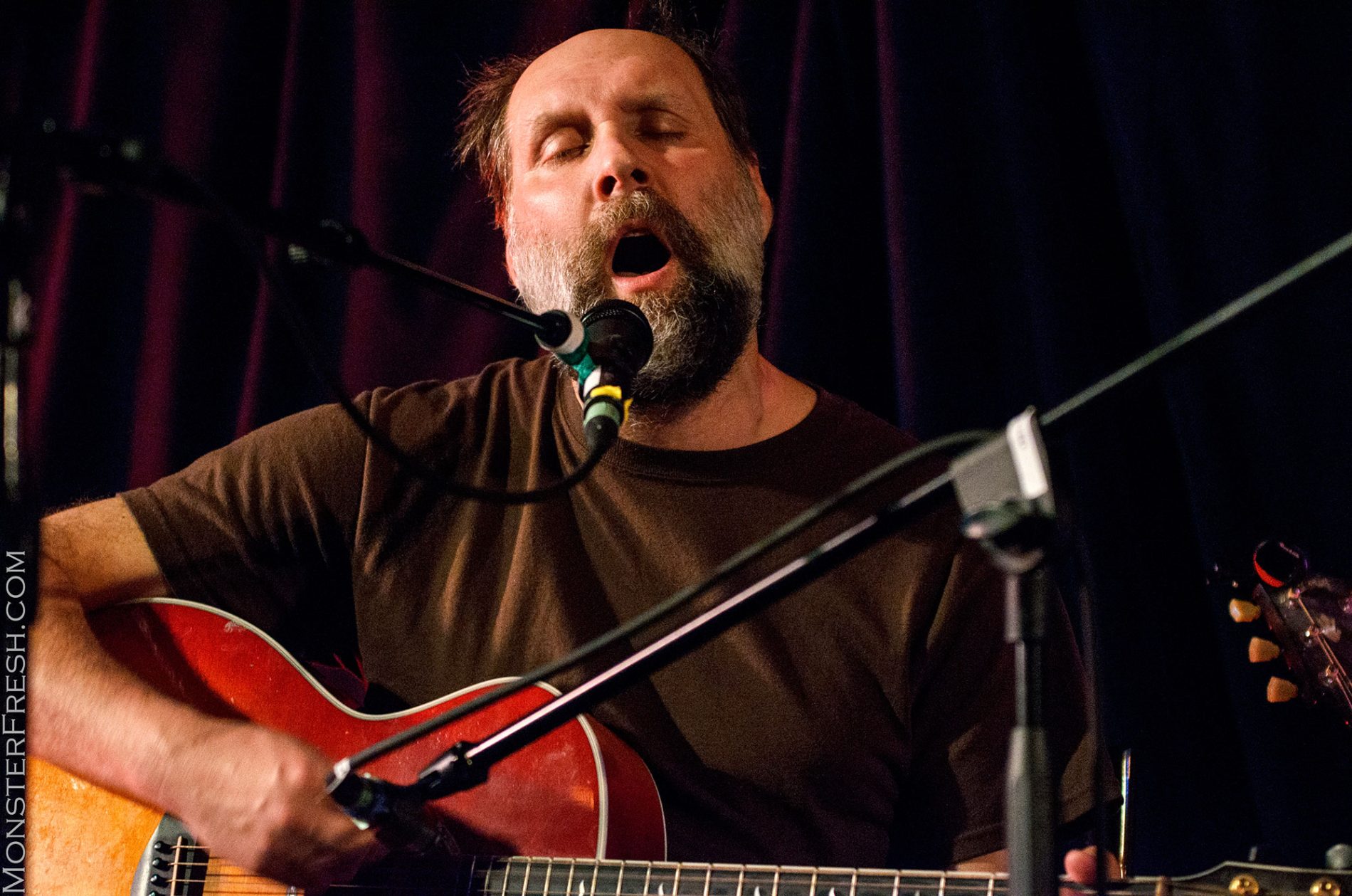
Doug Martsch Tests Out New Material During NW Solo Shows
During some rare solo acoustic performances in Seattle & Portland, the Built To Spill frontman offered up a pair of new tunes. Hear them now.
During some rare solo acoustic performances in Seattle & Portland, the Built To Spill frontman offered up a pair of new tunes. Hear them now.
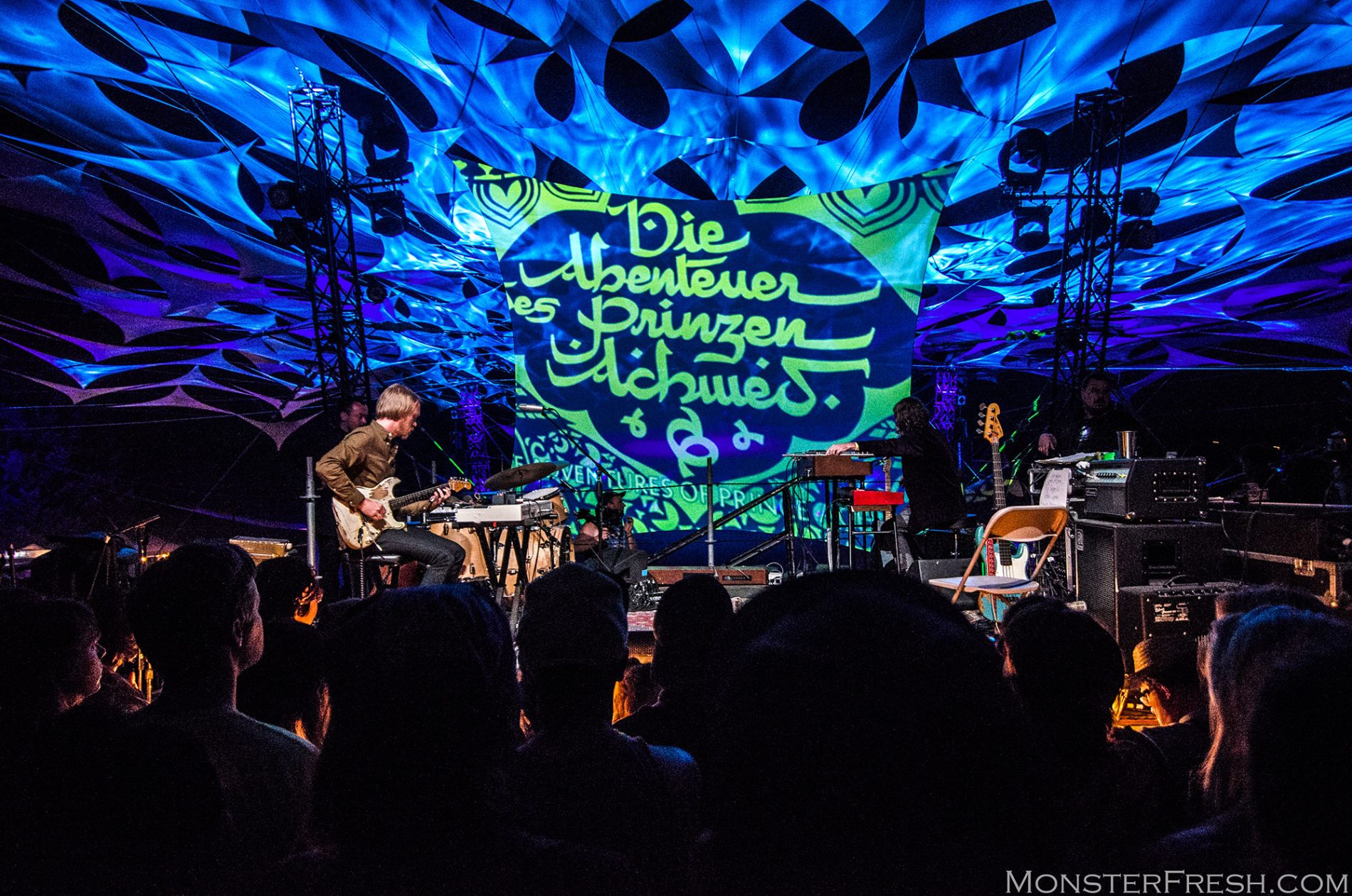
Our third day includes an Aussie songwriter, a Detroit hip hop MC/producer, explosive psych rock, & the live score of a 1926 animated silent film
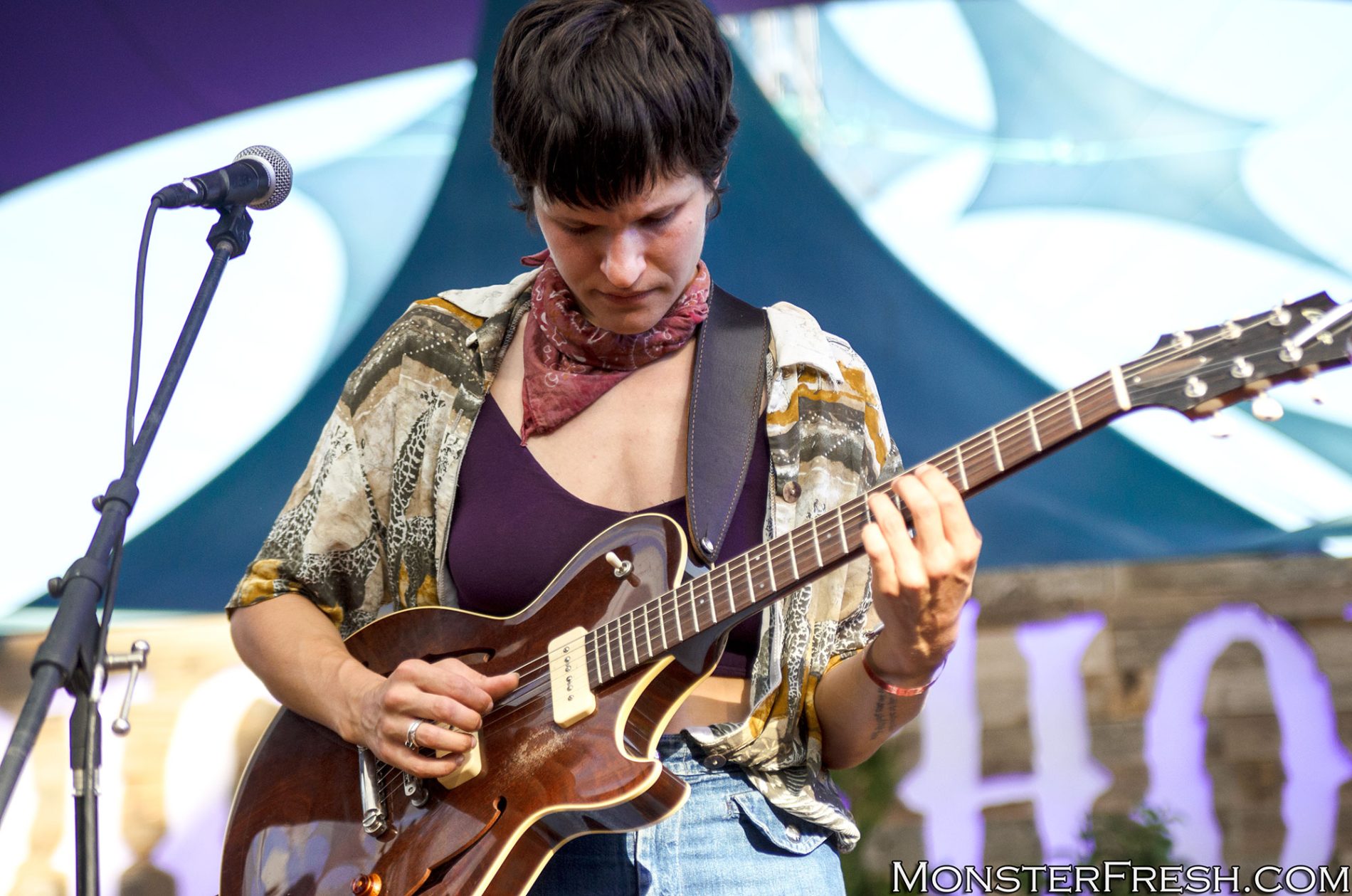
Day 2 of the festival was packed with a couple of legendary songwriters, large ensembles, and international acts representing Colombia to New Zealand
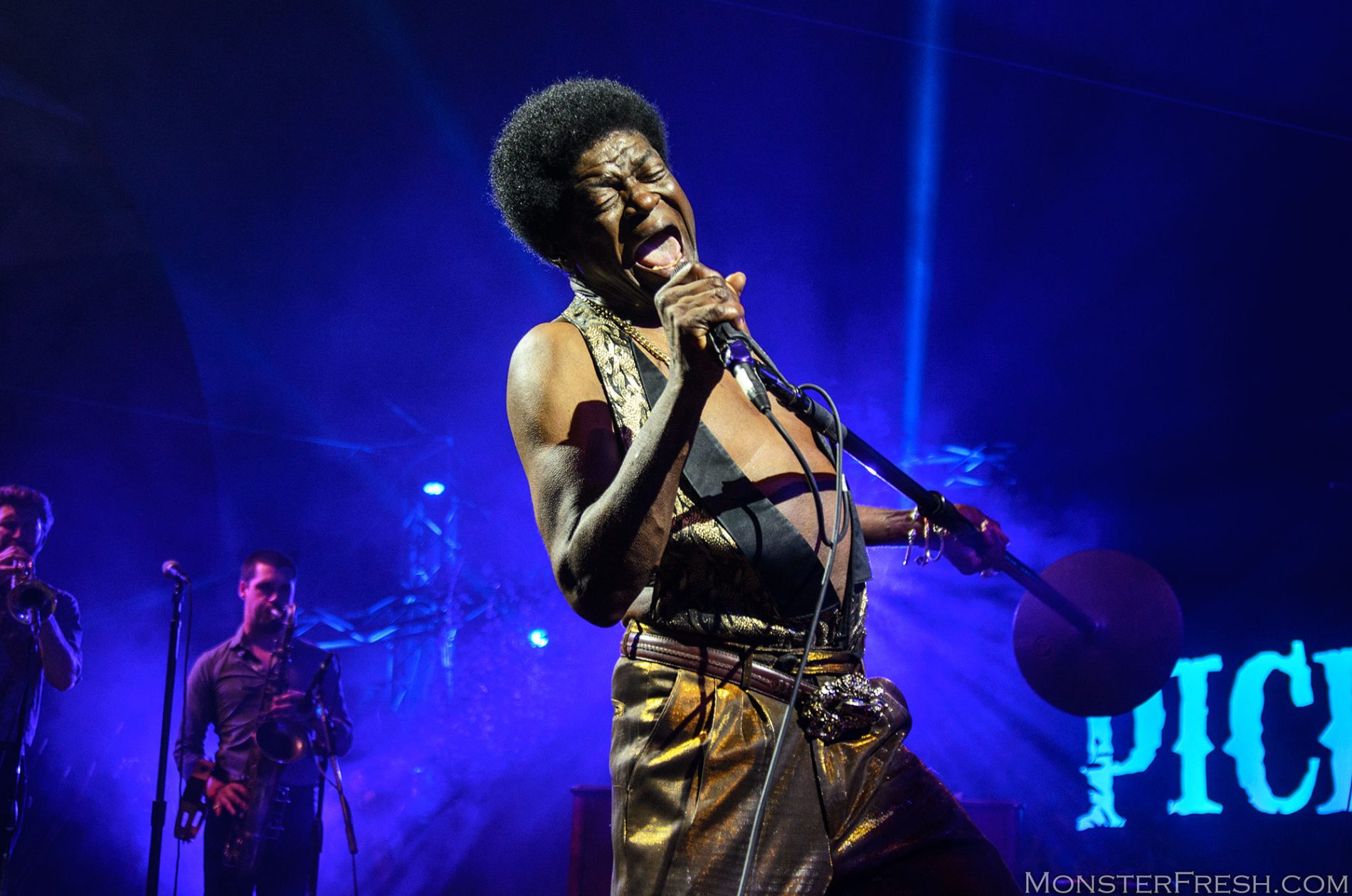
This year’s festival begins with a heart-wrenching soul singer, a Hawaiian guitar virtuoso, and some brilliant pastoral folk compositions
The Arturo Bastón-directed video is a brilliant, gentle ray of pastoral sunshine peering through the dark cloud that loomed over David Pajo for far too long
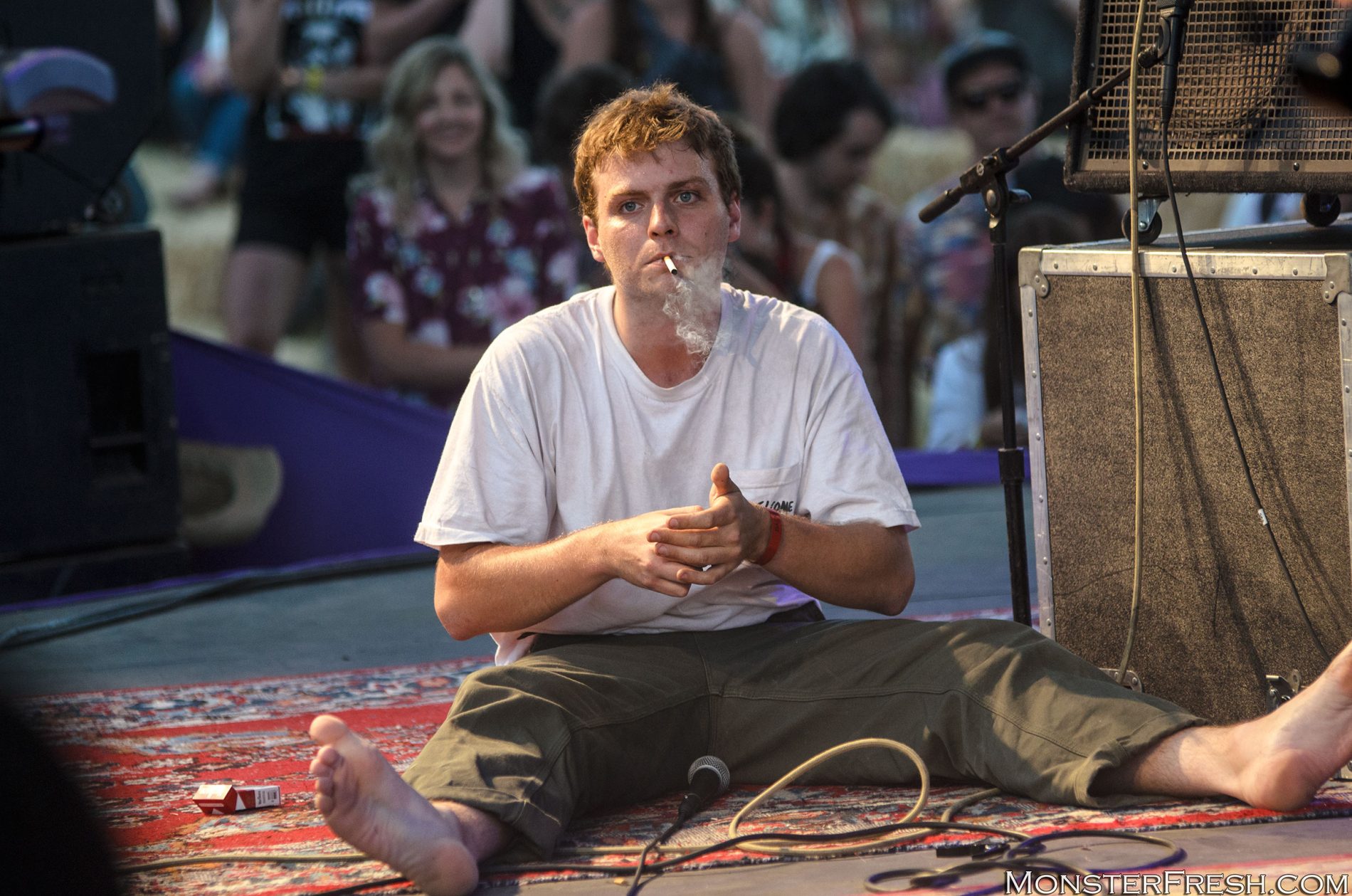
In a bold/misguided attempt to review every one of the dozen bands that we saw in one day at a music festival… here’s 5,000 words about a music festival
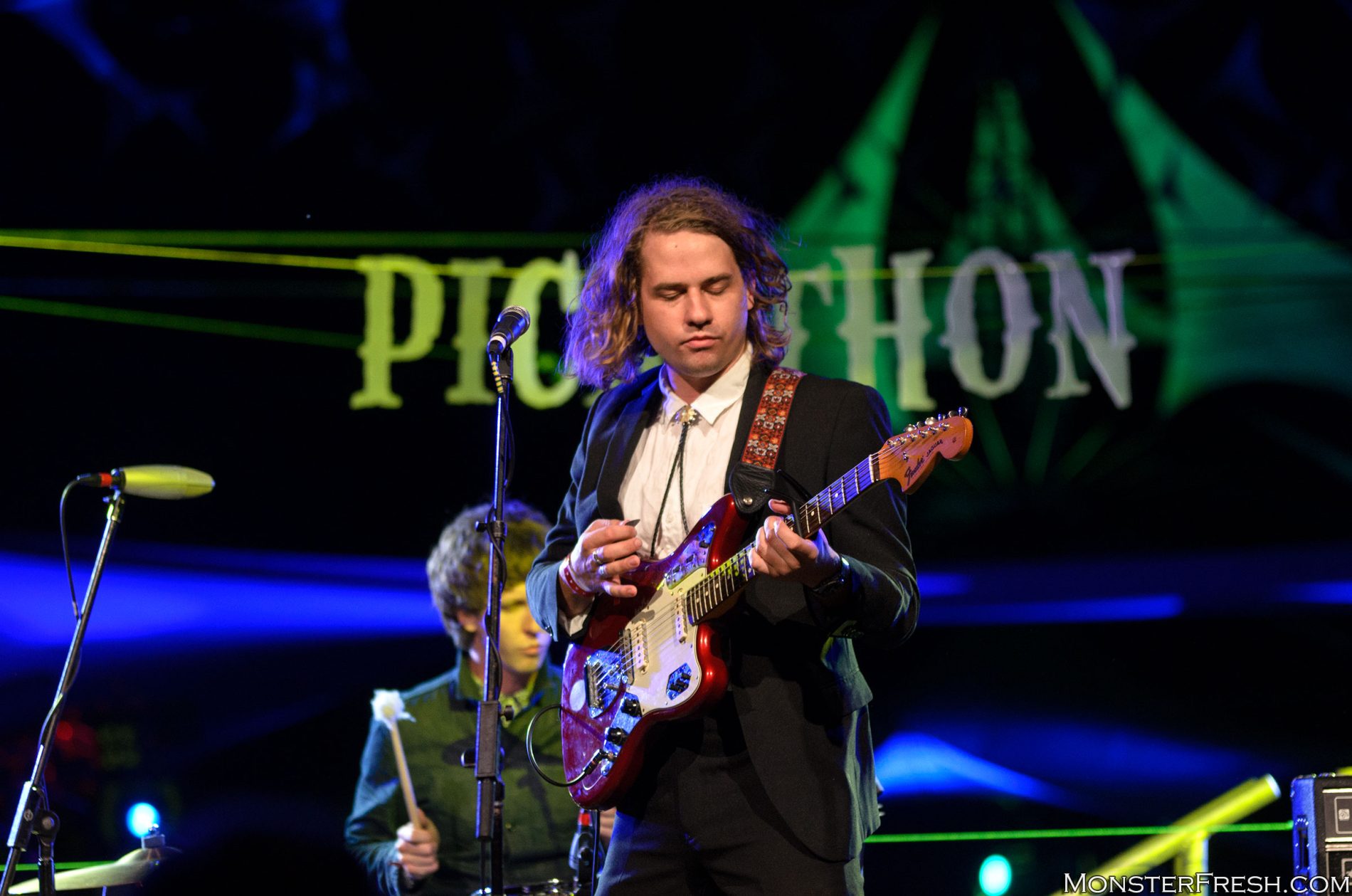
This year we opted for the Thursday entry into the Oregon music festival. Here’s a breakdown of the general set up & what we caught by showing up early.
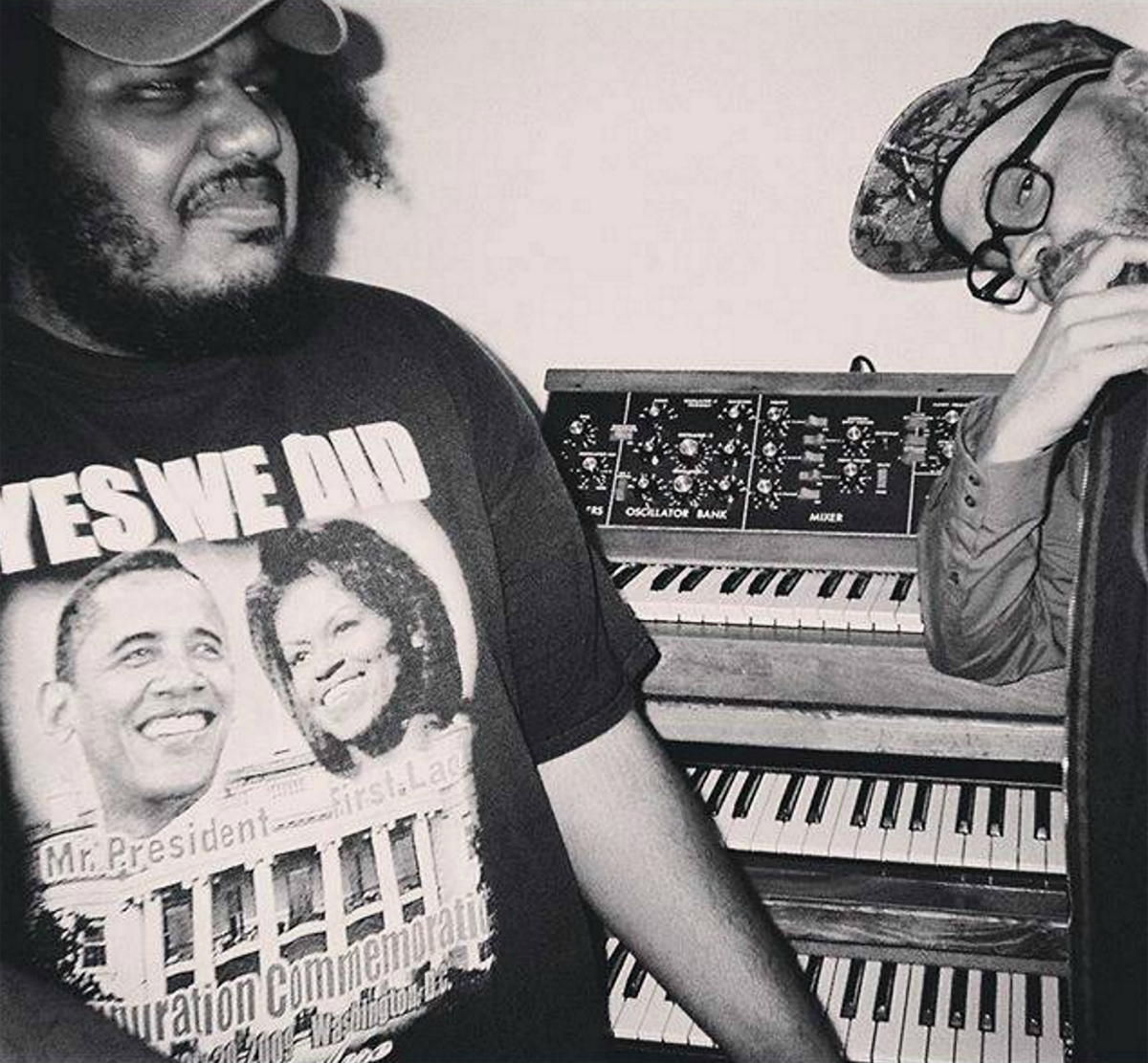
The Boston rapper teams up w/ one of the most well respected producers in the game to release one of the most promising releases of the year. Hear the 1st track
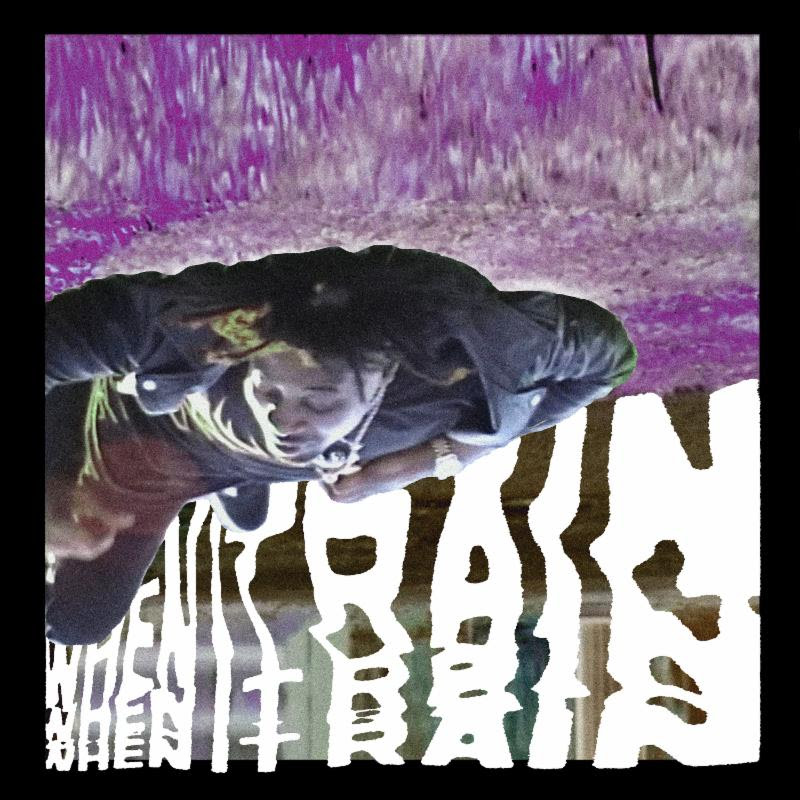
The promising new single via the UK electronic powerhouse is a synthesis of everything that represents the unique, multi-dimensional nature of Brown himself.
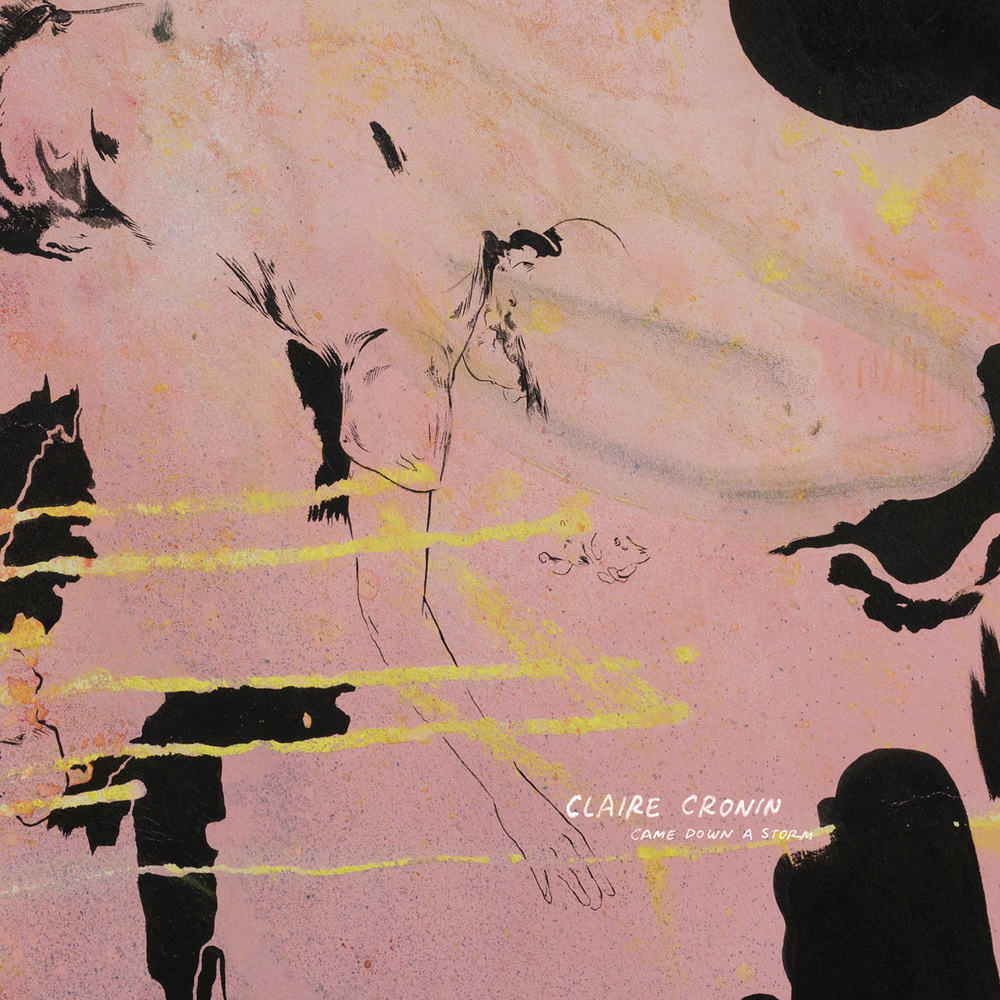
A chance meeting by a musician / award-winning poet & the Deerhoof guitarist resulted in a beautiful & compelling new release. Stream it now, then pre-order it
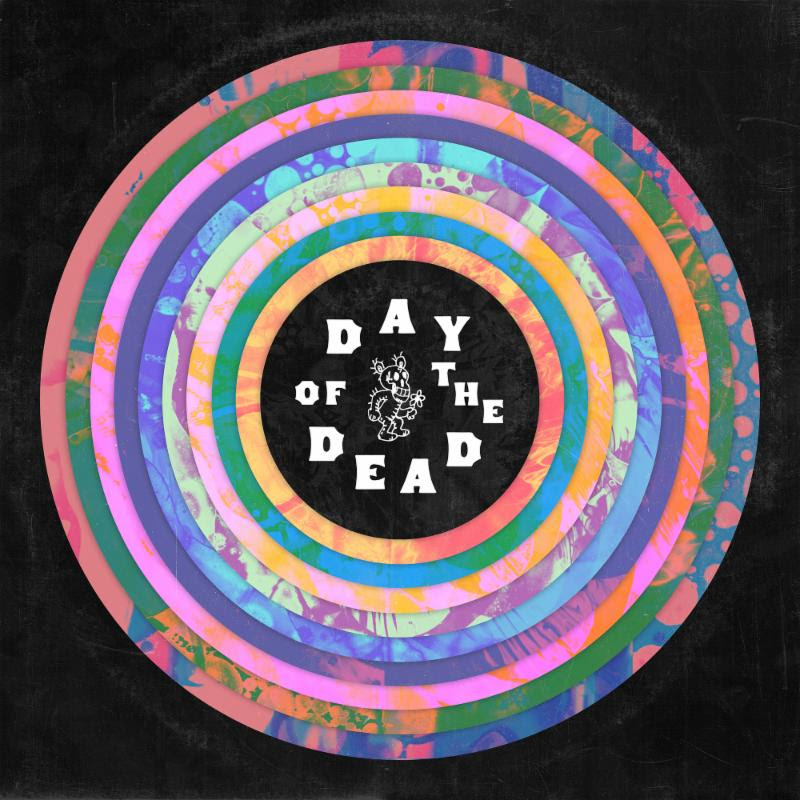
Hear 11 advanced tracks from Day Of The Dead, an expansive compilation bringing together artists from Bonnie Prince Billy to Terry Riley for over 5 hrs of music

A review of Tenacious D’s 3rd annual comedy & music extravaganza featuring such acts as Amy Poehler, Kids In The Hall, Andrew W.K., Nathan Fielder, & Tig Notaro